
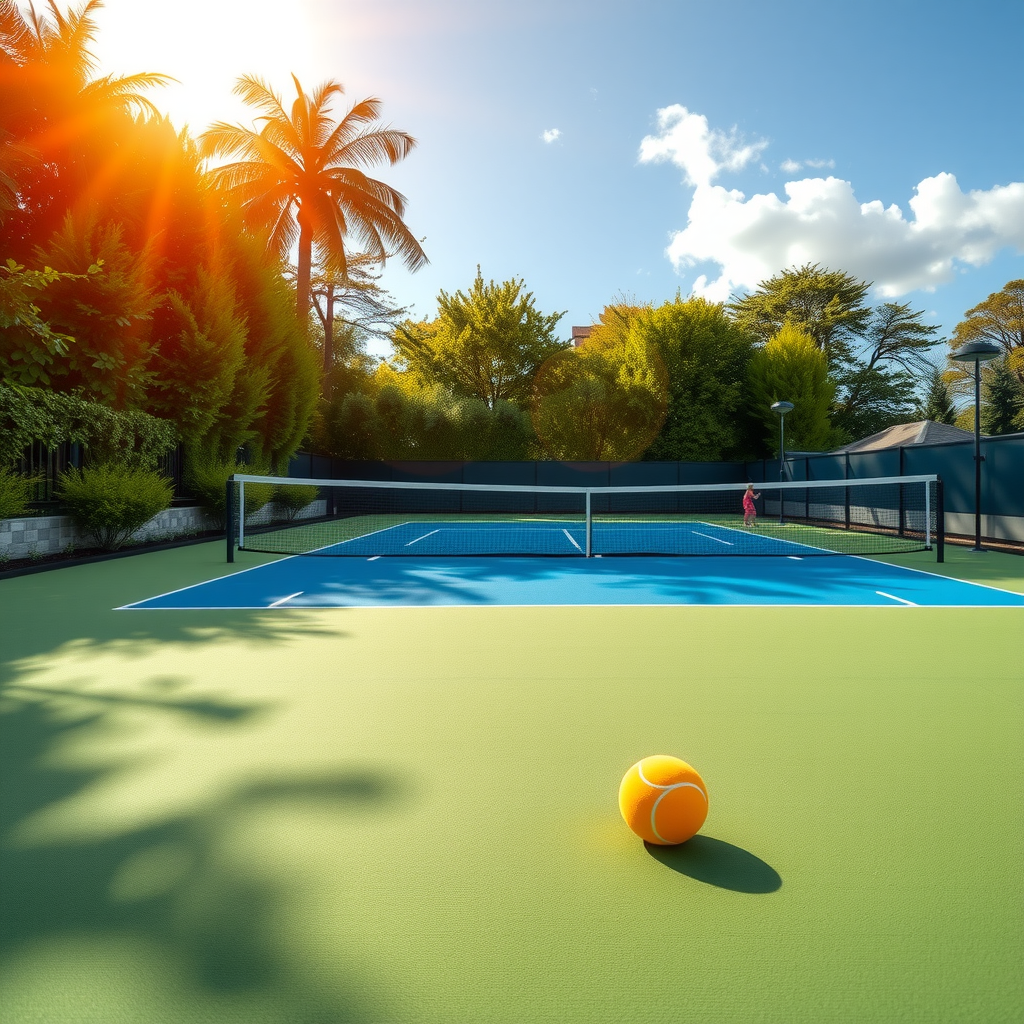
Installing a tennis court in your backyard is an exciting project that can enhance your property and provide endless hours of enjoyment. However, achieving a successful installation requires careful planning and execution. Drawing from years of expertise in tennis court installations and maintenance, here are five key tips to ensure your tennis court meets your expectations and serves you well for years to come.
1. Choose the Right Surface Material
One of the most crucial decisions you’ll make when installing a tennis court is selecting the surface material. Different surfaces offer varying playing experiences, maintenance requirements, and aesthetic appeal. You may opt for traditional clay, asphalt, or concrete surfaces, but an increasingly popular choice is the artificial grass tennis court.
Artificial grass provides a consistent playing experience and requires minimal upkeep compared to natural grass. When choosing artificial grass for your tennis court, ensure that it’s of high quality and specifically designed for tennis gameplay. This will ensure optimal ball bounce and player safety. Furthermore, you should consider how the chosen surface aligns with your local climate and typical usage patterns.
2. Consider the Location Carefully
Before diving into the installation process, take time to evaluate potential locations for your tennis court. The position you choose should not only provide ample space but also account for sunlight, wind direction, and proximity to trees or structures. A well-positioned court will ensure maximum enjoyment throughout the year.
Additionally, consider access to water and drainage, as poor drainage can lead to unnecessary tennis court repairs. If water accumulates on the court, it can affect playability and lead to surface damage. Avoid areas prone to flooding or heavy winds, which could disrupt play and impact the longevity of your court.
3. Plan for Tennis Court Maintenance
To keep your tennis court in optimal condition year-round, developing a maintenance plan beforehand is crucial. This will ensure your court remains functional and visually appealing for years to come. Regular tennis court cleaning is essential, especially if you have an artificial grass tennis court. Maintaining cleanliness can prevent the growth of mould and mildew, which can compromise the surface’s integrity and playability.
In addition to cleaning, pay attention to other aspects of tennis grass court maintenance, such as regularly checking for loose seams, damaged areas, or any other deterioration. Engaging professionals for periodic maintenance checks will help you address any issues before they escalate into costly repairs. Consider scheduling maintenance at the change of seasons, when weather conditions can affect the court’s condition.
4. Comply with Local Regulations and Zoning Laws
Before commencing your tennis court installation, familiarise yourself with any local regulations or zoning laws that may apply to your area. These regulations can dictate the dimensions, surface materials, and fencing requirements for your court. In some cases, planning permission may be necessary, especially if you live in an area with strict building codes.
Consulting with local authorities about these stipulations will save you time and prevent legal issues in the future. Additionally, working with a professional tennis court installer who has experience with local regulations can streamline the process and help ensure compliance.
For professional tennis court installation, trust experts who prioritize quality and precision. Enhance your playing experience with durable surfaces tailored to your needs. Discover more about top-notch services at https://www.artificialgrassmaintenance.co.uk today!
5. Invest in Quality Construction
When it comes to installing a tennis court, cutting corners can lead to poor results and high long-term costs. Investing in quality construction is vital to ensure a durable and high-performing court. This means engaging experienced professionals who specialise in tennis court installation.
Ensure that the contractor uses high-quality materials and follows the appropriate construction methods for your chosen surface. Whether you choose asphalt, concrete, or artificial grass, the installation needs to be flawless to prevent issues such as cracks or uneven surfaces. Quality construction can significantly reduce the frequency of tennis court repairs while enhancing your overall experience and enjoyment of the court.
Proper drainage and surface preparation are also critical components of a quality installation. Neglecting these essentials can lead to future complications, including pooling water and surface deterioration.
In summary, a successful tennis court installation in your backyard requires careful planning and attention to detail. By selecting the right surface material, choosing the ideal location, planning for maintenance, adhering to regulations, and investing in quality construction, you can create a personal tennis paradise that serves as a source of enjoyment and exercise for you and your family. With the right approach, your home can become the go-to destination for tennis enthusiasts!
Comments are closed